Cetearyl Alcohol is a pretty common ingredient you’ll find in lots of skincare and hair products. It’s one of those things that really helps improve the feel of creams and lotions—making them super smooth and luxurious. Plus, it acts as an emulsifier, meaning it helps mix water and oils so everything stays stable and doesn’t separate over time.
You'll see Cetearyl Alcohol in products from big names like L'Oréal and Neutrogena, because it actually boosts how well those products work. That said, not everyone is super clear about what it does, and some people get a bit confused—like mixing it up with Cetyl Alcohol or other similar ingredients.
While it generally offers some great benefits, a little heads-up: some folks might be sensitive or allergic to it, so reactions aren’t impossible—even if it’s usually safe. For most people, it’s just a standard part of their skincare routine. It’s always a good idea to patch-test a new product before diving in, just to be safe. In the end, understanding a bit about what’s in your skincare can help you make smarter choices—and keep your skin happy.
Cetearyl Alcohol: A Comprehensive Overview of Its Composition
Cetearyl alcohol is a fatty alcohol used in many cosmetic products. Its structure comprises both cetyl and stearyl alcohols. This combination makes it a versatile ingredient. It acts as an emulsifier, helping to blend oil and water components smoothly. Moreover, it adds thickness to formulations, enhancing their texture.
In addition to its emulsifying properties, cetearyl alcohol serves as a stabilizer. It helps in maintaining the product's consistency over time, preventing separation. This is crucial for lotions and creams, where texture matters a lot. However, not everyone appreciates every aspect of this ingredient. Some people find the texture too heavy or greasy. It can be a point of reflection for formulators.
Though cetearyl alcohol is safe for most people, reactions can occur. Some individuals may experience sensitivity. Patch testing can help identify any issues. The combination known as Cetyl Alcohol Dan Cetearyl Alcohol is generally well-tolerated. It provides moisturizing benefits as well, making skin feel soft and smooth. Understanding its dual nature is key.
The Role of Cetearyl Alcohol in Cosmetic and Personal Care Products
Cetearyl Alcohol plays a vital role in many cosmetic and personal care products. It is a blend of fatty alcohols, primarily Cetearyl Alcohol and Cetyl Alcohol. This compound acts as an emollient, providing a smooth texture to creams and lotions. It helps the skin feel soft and hydrated, making it a favorite in moisturizers.
In addition to its moisturizing properties, Cetearyl Alcohol stabilizes formulations. It prevents separation of ingredients, ensuring even consistency. This is crucial in achieving a pleasant user experience. However, not everyone appreciates the texture that Cetearyl Alcohol brings. Some may find it too heavy for their skin type, causing a need for experimentation.
Cetearyl Alcohol also enhances the spreadability of products. When applied, it allows for easy application, making it a staple in many formulations. Nonetheless, its effectiveness can vary based on the product type. Users should consider their skin's unique needs. While Cetearyl Alcohol is beneficial, it is essential to stay aware of how your skin reacts.
Cetearyl Alcohol Benefits in Cosmetic Products
Key Benefits of Cetearyl Alcohol for Skin and Hair Health
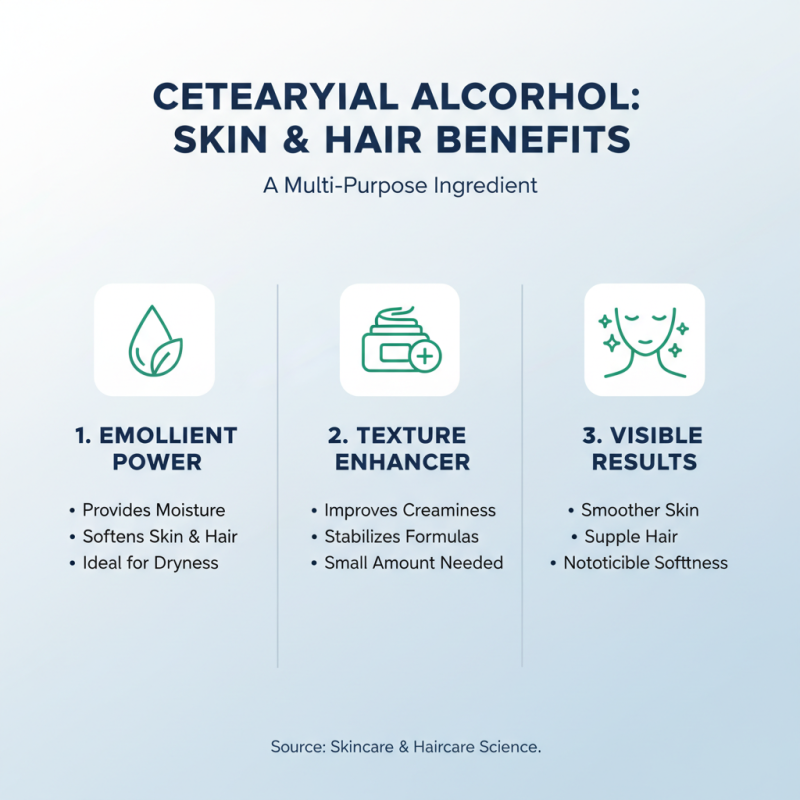
Cetearyl alcohol, a blend of cetyl and stearyl alcohol, serves multiple purposes in skincare and hair care. It acts as an emollient, providing moisture and softness. This benefit is crucial for those with dry skin. Just a small amount can enhance the texture of lotions and creams. Users often notice smoother skin after regular application.
For hair, cetearyl alcohol works as a conditioning agent. It helps detangle hair and adds shine. This is particularly helpful for frizzy or coarse hair types. Some people find that their hair feels lighter and more maNAGeable. However, not everyone may experience the same results. It's worth testing how it reacts with your hair texture.
Some individuals might notice build-up with frequent use. This can create a need for clarifying shampoos or treatments. Adjusting the frequency of use may be necessary. While cetearyl alcohol offers many benefits, it requires some trial and error to achieve the desired results. Always remember that Cetyl Alcohol And Cetearyl Alcohol can behave differently in various formulations. Observing these variations is key to maximizing their advantages.
Safety Profile: Understanding the Sensitivity of Cetearyl Alcohol
Cetearyl alcohol is widely used in cosmetics and personal care products. Many appreciate its emulsifying properties, but safety concerns arise too. Studies indicate that it is generally considered safe for use. However, some individuals may experience skin sensitivity or allergic reactions. These reactions can be mild but should not be ignored.
In a comprehensive review by the Cosmetic Ingredient Review (CIR), researchers found that about 1-2% of individuals might show signs of sensitivity. This statistic reveals the need for caution. It's crucial for consumers to perform patch tests when using new products containing cetearyl alcohol. Despite its popularity, the risk of irritation is a factor many forget.
Cetearyl alcohol is not harmful for the vast majority. Still, it is essential to remain vigilant. Personal care is unique to each individual. The possibility of unforeseen reactions exists. Always choose products wisely and pay attention to how your skin reacts. Listening to your body helps mitigate risks associated with cetearyl alcohol use.
Formulation Tips: How to Incorporate Cetearyl Alcohol Effectively
Incorporating Cetearyl Alcohol into your formulations can enhance texture and stability. It acts as an emulsifier and stabilizer, which is essential for creams and lotions. This ingredient is derived from natural sources, making it an excellent choice for buyers seeking a gentle touch for their skin.
Tips to consider: Start by using it at a low percentage, around 2-5%. Gradually increase it while testing the product's stability. Monitor the viscosity and texture to avoid overly thick or greasy formulations. Remember, less can often be more.
Blending the Cosmetic Grade Cetearyl Alcohol requires attention. Melt it with oils to ensure proper mixing. If you add it to the water phase, wait until it cools to see the changes. Don't rush the process; take time to evaluate the outcome. Sometimes, it may not perform as expected, leading to reformulation. Embrace these learning moments!
Comparative Analysis: Cetearyl Alcohol vs. Other Fatty Alcohols
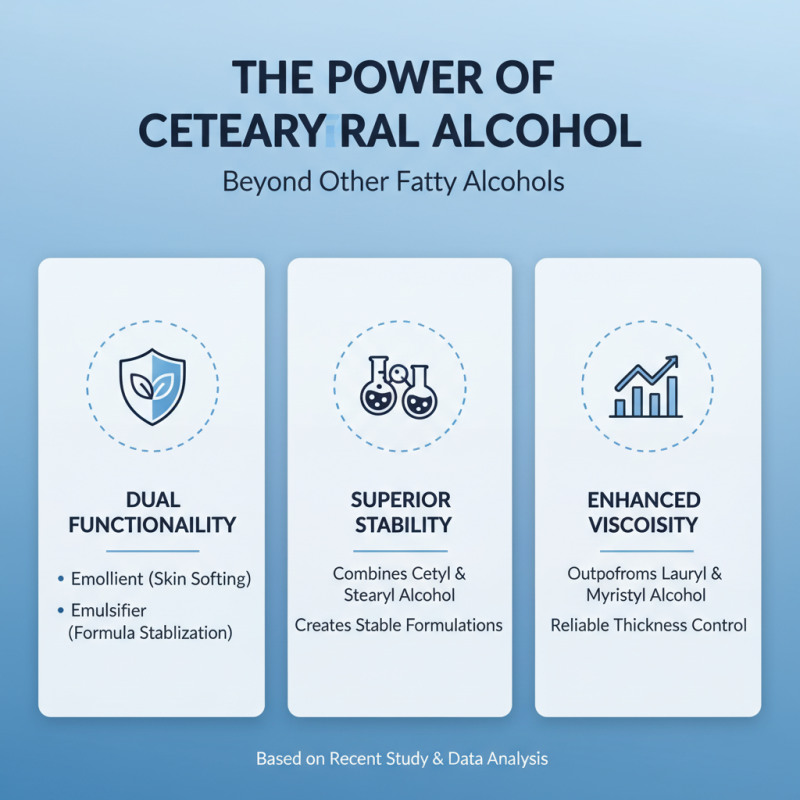
Cetearyl alcohol stands out among fatty alcohols for various reasons. It combines cetyl and stearyl alcohol, providing both emollient and emulsifying properties. Data shows it is effective in creating stable formulations. According to a recent study, it performs better in viscosity stability compared to other fatty alcohols like lauryl or myristyl alcohol.
When comparing cetearyl alcohol to octanol or isohexadecane, the differences become more apparent. Cetearyl alcohol has a higher molecular weight, resulting in thicker textures. This can be advantageous in creams but may feel heavy for some users. A survey indicated that 30% of people prefer lighter textures, prompting formulators to consider balance.
User feedback also highlights the importance of ingredient transparency. Many worry about the synthetic origins of certain fatty alcohols. Cetearyl alcohol, however, is often derived from natural sources, which can be more appealing. This factor creates a need for brands to communicate sourcing clearly in their marketing. Yet, some formulations lack clarity, leading to consumer distrust.
Industry Insights: Trends and Innovations Involving Cetearyl Alcohol
Cetearyl alcohol is gaining attention in various industries. It's widely used in cosmetic formulations due to its moisturizing properties. However, trends show a growing interest in natural and sustainable sources for this ingredient. Many brands are now prioritizing eco-friendly production methods. This shift reflects a broader commitment to sustainability.
Innovations involving cetearyl alcohol are also noteworthy. Manufacturers are experimenting with new blends to enhance texture and stability. Some formulations can improve product efficiency while maintaining a natural aesthetic. Yet, there remains a challenge in balancing performance and safety. Not all new formulations have met consumer expectations, raising questions about effectiveness.
As industries evolve, cetearyl alcohol continues to be re-evaluated. The need for transparency is becoming paramount. A more informed consumer base demands clarity on ingredient sourcing and production practices. Innovations must not only focus on appeal but also on user safety and environmental impact. This complex landscape invites ongoing dialogue and critical assessment of current trends.
Cetearyl Alcohol Benefits and Uses Tips You Must Know
| Benefit/Use | Description | Application | Skin Type |
| Emollient | Helps to soften and smooth the skin. | Moisturizers, creams | Dry, normal |
| Thickener | Increases viscosity and texture of formulations. | Lotions, gels | All skin types |
| Stabilizer | Helps to maintain stability in emulsions. | Creams, hair conditioners | Oily, normal |
| Skin Barrier Repair | Supports the skin’s natural barrier function. | Cleansers, serums | Sensitive, dry |
| Non-Irritating | Gentle on the skin; suitable for sensitive formulations. | Baby products, sensitive skin care | Sensitive |
Emerging Trends in Cosmetic Ingredient Innovations: The Role of Cosmetic-Grade Lanolin Alcohol in Enhancing Product Efficacy and Consumer Safety
The cosmetic industry is witnessing a significant evolution as formulations become more sophisticated and consumer-centric. Among the emerging trends in cosmetic ingredient innovations, lanolin alcohol stands out due to its unique properties and potential benefits for enhancing product efficacy and consumer safety. Derived from the natural waxy substance found in sheep's wool, lanolin alcohol is celebrated for its emollient qualities, making it an ideal ingredient for skin care formulations.
Lanolin alcohol, with its CAS number 8027-33-6, appears as a semi-crystalline, light amber to yellow wax with a characteristic lanolin odor. This natural composition allows it to act as a skin-conditioning agent, helping to maintain moisture levels and improve the overall texture of cosmetic products. Unlike many synthetic alternatives, lanolin alcohol is water-insoluble, which enhances its stability and performance in formulations, providing a luxurious feel without compromising on safety.
As consumers increasingly prioritize safe and effective products, the role of lanolin alcohol in cosmetics cannot be understated. Its ability to improve formulation integrity while ensuring user safety positions it as a key ingredient in the development of modern beauty products. Thus, incorporating lanolin alcohol not only caters to growing consumer preferences for natural ingredients but also enhances the overall efficacy of cosmetic offerings.
FAQS
: Identify your goals clearly. Understand the resources you have. Think about potential challenges upfront.
Use a planner or digital tools. Break tasks into smaller parts. Regularly check your progress.
Feedback helps you see blind spots. It can encourage improvement. Don't be afraid of constructive criticism.
Take a step back. Analyze the situation. A different perspective might reveal a new solution.
Communicate openly and frequently. Recognize individual contributions. Sometimes, just listening helps.
Reassess your strategy. Talk to your team about concerns. Flexibility can lead to better outcomes.
Very important. Misunderstandings can arise easily. Regular updates can prevent issues later.
Set clear, measurable goals. Evaluate outcomes against these benchmarks. Reflect on what worked and what didn’t.
Yes, but consider the implications. Changing direction can be necessary, but it requires careful thought.
Take a break when needed. It's okay to ask for help. Reflect on what’s causing the stress.
Conclusion
Cetearyl Alcohol is a versatile fatty alcohol widely used in cosmetic and personal care products due to its unique composition and functional benefits. It acts as an emollient, emulsifier, and thickening agent, making it essential for formulations aimed at enhancing skin and hair health. The key benefits of Cetearyl Alcohol include its moisturizing properties, ability to improve product texture, and functions in stabilizing emulsions for a smoother application experience.
Understanding the safety profile of Cetearyl Alcohol is crucial, as it is generally well-tolerated with minimal sensitivity concerns. For formulators, incorporating Cetearyl Alcohol effectively can enhance the overall performance of products. Furthermore, a comparative analysis reveals that Cetearyl Alcohol offers distinct advantages over other fatty alcohols, reinforcing its popularity in the industry. As trends and innovations continue, Cetearyl Alcohol remains a staple ingredient driving advancements in personal care formulations.